Medically reviewed by Emile Kettle, PA, Licensed Physician Assistant | Nearly 30 Years Clinical Experience | Last Updated: September 2026
No. In most cases spider veins do not go away on their own, and they tend to multiply and darken slowly over the years. There is one common exception: spider veins that show up during pregnancy can fade in the months after delivery. For everyone else, the veins are permanent until a treatment closes them off, because the damaged vein and its valve cannot repair themselves.
Can spider veins disappear on their own? Almost never
The spidery red, blue, or purple lines you see near the surface of your skin are tiny blood vessels that have stretched and filled with pooled blood. Once a vessel reaches that point, your body does not reverse the damage on its own. The vein stays visible, and over months and years you usually notice a few more appear nearby.
This is the honest answer patients search for and rarely get: waiting does not clear spider veins. It usually gives them time to spread.
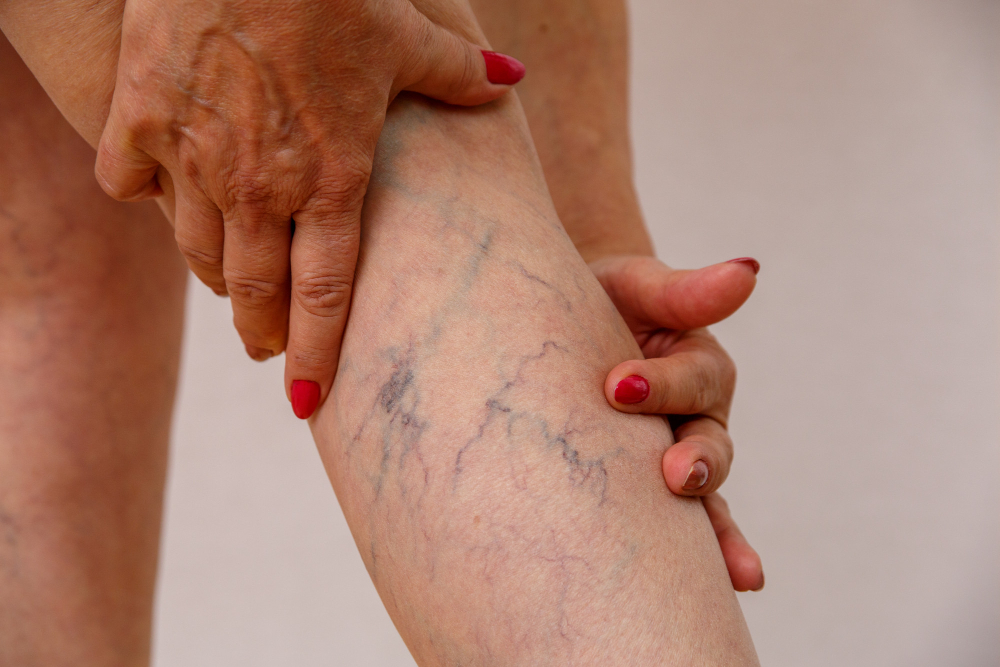
The one exception: pregnancy-related spider veins can fade after delivery
Pregnancy raises blood volume and hormone levels and puts extra pressure on the veins in your legs, so many people notice new spider veins during those nine months. Some of those pregnancy-triggered veins become less visible in the weeks and months after delivery as pressure and hormones return to normal. If they are still there several months postpartum, treat them the same as any other spider vein. At that point they are unlikely to fade further on their own.
Why spider veins are permanent: the valve does not heal itself
Healthy veins carry blood back toward your heart using tiny one-way valves that stop blood from flowing backward. When a valve weakens, wears out, or sticks open, blood leaks backward and pools in the vein. The trapped blood raises pressure inside the vessel, stretches its walls, and pushes it close enough to the skin to show as a spider vein.
Your body has no mechanism to rebuild that stretched vessel or repair the failed valve. That is the core reason spider veins are permanent. Removing them means closing the vein so your body can absorb it, which is exactly what treatment does.
Are spider veins dangerous? Usually a cosmetic issue, sometimes a signal
For most people spider veins are harmless and purely cosmetic. They are not a health emergency. What they can occasionally do is point to underlying vein pressure, especially on the legs, so it is worth a look if you also have aching, heaviness, swelling, itching, or larger bulging varicose veins. A quick evaluation tells you whether you are dealing with a simple cosmetic concern or something that deserves a closer vascular check.
What raises your risk of spider veins
Most people develop at least a few spider veins in their lifetime, usually on the legs, ankles, and feet, though they can appear on the face and elsewhere. Some risk factors you cannot change, and some you can influence:
- Family history of spider or varicose veins
- Being female and hormonal shifts from pregnancy or birth control
- Standing or sitting for long stretches, common in jobs like teaching or hairstyling
- Carrying extra weight
- A history of blood clots or vein disease
- Sun exposure, especially for facial spider veins
How to slow new spider veins even though you cannot reverse existing ones
You cannot exercise, elevate, or moisturize away a spider vein you already have. You can lower the pressure that creates new ones and keeps existing ones from worsening:
- Move regularly and avoid sitting or standing in one position for hours
- Elevate your legs when you can, and skip crossing them for long periods
- Keep a healthy weight to reduce vein pressure
- Wear compression stockings if you are on your feet all day
- Choose supportive footwear over high heels
- Wear sunscreen to protect against facial spider veins
Think of these as prevention and maintenance. They protect the veins you have not damaged yet.
The only way to remove spider veins: sclerotherapy, laser, and IPL
Because spider veins will not clear on their own, removal means closing the vein so your body reabsorbs it over the following weeks. Three approaches are standard:
- Sclerotherapy injects a solution into the vein that irritates its lining and seals it shut. According to the Cleveland Clinic, treated veins typically fade over three to six weeks, and it often takes two or three sessions for the full result.
- Laser therapy delivers targeted energy that heats and collapses the vein without a needle, which many patients prefer for smaller veins and facial vessels.
- Intense pulsed light (IPL) uses broad-spectrum light to reduce facial redness and broken capillaries, and it pairs well with overall skin rejuvenation. For facial vessels it works best on diffuse redness and the smallest surface capillaries, while laser and sclerotherapy handle more defined spider veins.
Results build over more than one visit. The Cleveland Clinic reports that each sclerotherapy session clears roughly 50 to 80 percent of the treated veins, so most people need two or three sessions to reach the result they want. Treated veins generally do not return, though you may still form new spider veins over time, which is why maintenance sessions are common.
How New Horizons Wellness treats spider veins in Shenandoah and The Woodlands
In the weeks that follow, your body's natural healing process breaks down and clears the treated vein.
Depending on the number and size of your spider veins, more than one session may be needed, so your provider builds a personalized plan at your consultation. For facial vessels and overall skin tone, we also offer IPL treatment, and you can review our laser therapy options as well. We serve patients across The Woodlands, Spring, Conroe, and Oak Ridge North.
Frequently asked questions about spider veins
Can spider veins go away on their own?
In almost all cases, no. Spider veins are caused by damaged veins and valves that do not repair themselves, so they are permanent until treated. Pregnancy-related spider veins are the main exception and may fade in the months after delivery.
Are spider veins permanent?
Yes, for most people. Without treatment they stay visible and tend to increase in number over time. Treatments like laser, IPL, and sclerotherapy remove them by closing the vein so your body absorbs it.
Will my spider veins get worse if I ignore them?
Often, yes. Waiting does not clear spider veins and usually gives new ones time to appear near the existing ones. Prevention steps slow that process but do not remove veins you already have.
Do spider veins come back after treatment?
Treated veins generally do not return. You can still develop new spider veins over the years, which is why some patients schedule occasional maintenance sessions.
Is spider vein treatment painful?
Laser treatment for spider veins is designed to be comfortable and needle-free. Your provider will walk you through what to expect and can address any concerns at your consultation.
Are spider veins a sign of something serious?
Usually they are cosmetic and harmless. If you also have leg aching, heaviness, swelling, or larger bulging veins, mention it so your provider can check for underlying vein pressure.
Ready to stop waiting on veins that will not fade?
Spider veins will not clear on their own, but they respond well to treatment. Book a consultation with New Horizons Wellness Center & MediSpa to get a personalized plan for clearer skin. Call (281) 419-5544 or request an appointment online.
Disclaimer
Disclaimer: This information is provided for educational purposes and is not a substitute for professional medical advice, diagnosis, or treatment. Please schedule a consultation with our team to discuss your individual needs.